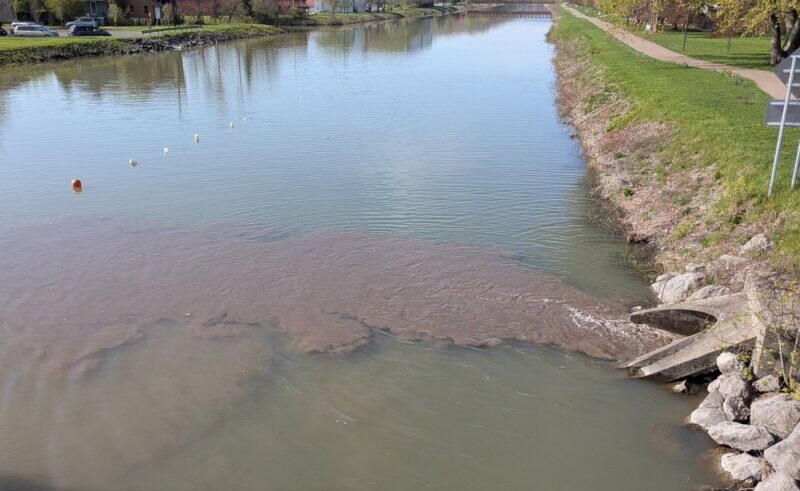
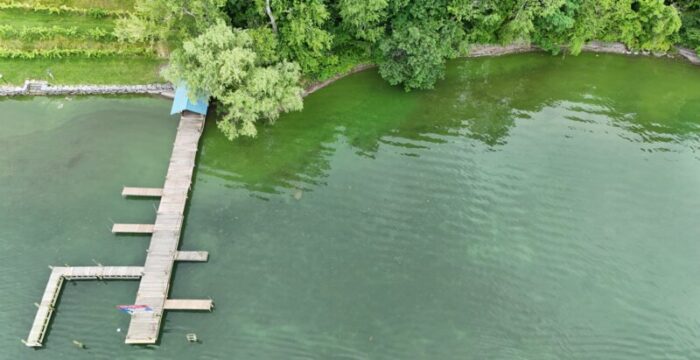
Harmful algal blooms (HABs) are overgrowths of cyanobacteria (often called blue-green algae) that naturally occurs in lakes and other freshwater. During a bloom event, some cyanobacteria produce cyanotoxins, which can pose health risks when contaminated water is swallowed, inhaled, or comes into contact with the skin.
Microcystins are among the most common cyanotoxins found in freshwater HABs and can cause liver damage and other health effects. Other cyanotoxins may also be present, and testing for microcystins does not rule out other toxins.
 CSI can visually examine a water sample using brightfield microscopy to evaluate the presence and relative abundance of cyanobacteria.
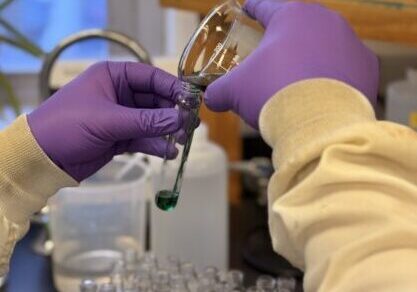 CSI uses