Community Science InstituteCommunity Science InstituteCommunity Science InstituteCommunity Science Institute
  • News & Events
    • CSI News and Monthly Updates
    • The Water Bulletin Newsletter
    • CSI’s Public Comments & Testimonies
    • CSI in the Media
  • Test Your Water
    • Water Testing FAQs
    • Potable and Non-Potable Water Tests & Fees
    • Instructions for Collecting and Submitting Water Samples
    • Drinking Water Resources for the General Public
    • Water Testing Assistance Program
  • Get Involved
    • Volunteer With Us!
    • Monitoring Partnerships
      • Harmful Algal Bloom Monitoring on Cayuga Lake
      • Synoptic Sampling
      • Biological Monitoring
      • Owego Creek Tributaries Monitoring Project with Trout Unlimited
      • Past CSI Monitoring Programs
        • Red Flag Monitoring
  • Outreach & Education
    • Journey of Water
      • Learning Materials
    • Public Events and Presentations
    • Publications
  • Water Quality Database
    • Database Home
    • Streams and Lakes Data
      • Cayuga Lake Region
      • Seneca Lake Region
      • Upper Susquehanna River Region
      • Select and Download Streams and Lakes Data
    • Cayuga Lake Harmful Algal Bloom Tracker
      • Select and Download Cayuga Lake HABs Data
    • Pre-Fracking Groundwater Baselines
      • Select and Download Groundwater Baselines
    • Biological Monitoring Results
    • Glossary
  • Donate
    • CSI’s Business Membership Program
      • 2026-2027 Business Membership Partners
      • 2025-2026 Business Membership Partners
  • About Us
    • Meet Our Staff
    • Meet Our Board of Directors
    • CSI’s DEI Statement
    • Annual Reports
    • CSI Frequently Asked Questions
    • Contact Us
    • Employment Opportunities

Harmful Algal Blooms & Microcystins

  • Potable and Non-Potable Water Tests & Fees
  • Non-Potable Water Tests & Fees
  • Water Testing Assistance Program
  • Instructions for Collecting and Submitting Water Samples
  • Harmful Algal Blooms & Microcystins
Home Certified Water Testing Harmful Algal Blooms & Microcystins

Harmful Algal Blooms and Microcystins

Harmful algal blooms (HABs) are overgrowths of cyanobacteria (often called blue-green algae) that naturally occurs in lakes and other freshwater. During a bloom event, some cyanobacteria produce cyanotoxins, which can pose health risks when contaminated water is swallowed, inhaled, or comes into contact with the skin.

Microcystins are among the most common cyanotoxins found in freshwater HABs and can cause liver damage and other health effects. Other cyanotoxins may also be present, and testing for microcystins does not rule out other toxins.
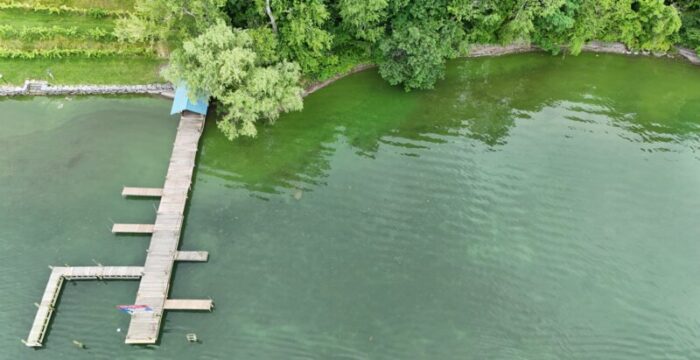
An aerial view of Cayuga Lake's shoreline during an active HAB. Photo provided by: Thomas Björkman/CSI Volunteer

Why does this matter for lake-water drinking supplies?

Some Finger Lakes residents obtain drinking water directly from the lake. NYSDOH considers this untreated surface water and strongly advises against using untreated surface water for drinking.

During a HAB, cyanobacteria and cyanotoxins in the lake have the potential to enter a household water supply. The presence of a HAB does not mean that a particular home’s water contains cyanotoxins, but it can increase the potential for exposure.

What if lake water is your only practical option?

For some shoreline residents, switching to municipal water or developing a new groundwater source may not be immediately feasible because of property location, infrastructure, geology, or cost.

This page provides information and resources to help homeowners:

  • Understand the risks associated with HABs and cyanotoxins
  • Learn about testing for microcystins
  • Understand treatment options and limitations
  • Find qualified water-treatment professionals
  • Explore alternatives to using lake water for drinking, where feasible

There is no single treatment system that is appropriate for every lake-water supply. Treatment needs to be evaluated based on the water source, contaminants present, and the design and operation of the treatment system.

CSI Testing for HABs and Microcystins

CSI can provide two types of analysis related to HABs: microscopic examination and Total Microcystins analysis. These analyses provide different information and should be considered together with other factors when evaluating potential risks to a drinking-water supply.

Microscopic Examination

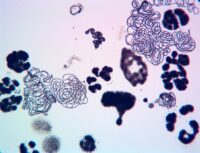
24-3485-B2-2-e1789066724120.jpgCSI staff can visually examine a water sample using brightfield microscopy to evaluate the presence and relative abundance of cyanobacteria to the taxonomic level of genus.


Microscopic examination is a qualitative, informational analysis and is not a certified test method. Microscopic observations alone cannot determine whether cyanotoxins are present or absent, nor can they determine their concentrations.

Confirmation of cyanotoxins requires appropriate chemical or molecular analysis.

Total Microcystins Analysis

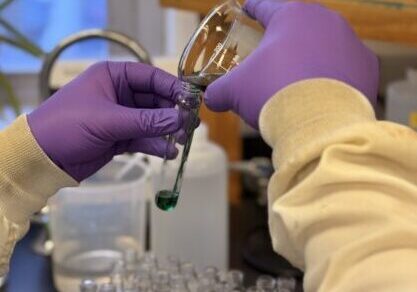
IMG_0667-e1789066269740.jpgCSI uses EPA Method 546, Determination of Total Microcystins and Nodularins in Drinking Water and Ambient Water by ADDA Enzyme-Linked Immunosorbent Assay, to measure Total Microcystins.


Microcystins are cyanotoxins produced by some cyanobacteria and can pose health risks to people and animals exposed to contaminated water. Testing for microcystins can help determine whether these toxins are present in a water sample; however, a microcystin result does not determine the presence or absence of other cyanotoxins that may be present.

The New York State Department of Health (NYSDOH) has established guidance values for total microcystins of 0.3 μg/L for public drinking-water supplies and 4.0 μg/L for public swimming beaches.

Important: These guidance values were developed for specific public-water and recreational settings and should not be interpreted as a determination that a private water supply is safe or unsafe based on a single result alone.

Considering Your Next Steps

The list of resources at the right are intended as a starting point for homeowners exploring options to reduce their potential exposure to HABs and cyanotoxins. There is no single in-home treatment system that is appropriate for every lake-water supply, and treatment needs will depend on the characteristics of the source water, potential contaminants, and the design and operation of the treatment system.

For more information, or concerns about your health, contact your county’s department of health.

If you are interested in having your drinking water analyzed for cyanobacteria through microscopic examination or Total Microcystins, please contact the CSI laboratory to discuss your needs, sample collection, and pricing.

List of helpful resources for more information:

  • NYSDOH – Harmful Blue-green Algae Blooms: Understanding the Risks of Piping Surface Water into Your Home
  • NYSDOH – SUSCEPTIBLE WATER SOURCES (Well Points, Dug Wells, Springs and Shore Wells)
  • CDC – Symptoms Caused by Freshwater Harmful Algal Blooms
  • EPA – Human Health Effects Caused by the Most Common Toxin-producing HABs Species
  • EPA – Summary of Cyanotoxins Treatment in Drinking Water
  • EPA – Cyanobacteria and Cyanotoxins: Information for Drinking Water Systems
  • Ohio DOH – Drinking Water Wells and Springs Under the Direct Influence of Surface Water Bodies

Loading

Connect With Us

The Community Science Institute
Langmuir Lab Building, Box 1044
95 Brown Rd. Ithaca, NY 14850

(607) 257-6606
info@communityscience.org

Support Our Work

Donate

Recent Posts

  • CSI is hiring: Office Administrator

    The Office Administrator will play a vital role in supporting the smooth

    Loading

    20 July, 2026
  • From Community Report to Regulatory Action

    CSI’s Outreach & Programs Coordinator, Alyssa Johnson, collects a sample from Cliff

    Loading

    6 May, 2026
Copyright 2007-2026 Community Science Institute
  • News & Events
    • CSI News and Monthly Updates
    • The Water Bulletin Newsletter
    • CSI’s Public Comments & Testimonies
    • CSI in the Media
  • Test Your Water
    • Water Testing FAQs
    • Potable and Non-Potable Water Tests & Fees
    • Instructions for Collecting and Submitting Water Samples
    • Drinking Water Resources for the General Public
    • Water Testing Assistance Program
  • Get Involved
    • Volunteer With Us!
    • Monitoring Partnerships
      • Harmful Algal Bloom Monitoring on Cayuga Lake
      • Synoptic Sampling
      • Biological Monitoring
      • Owego Creek Tributaries Monitoring Project with Trout Unlimited
      • Past CSI Monitoring Programs
        • Red Flag Monitoring
  • Outreach & Education
    • Journey of Water
      • Learning Materials
    • Public Events and Presentations
    • Publications
  • Water Quality Database
    • Database Home
    • Streams and Lakes Data
      • Cayuga Lake Region
      • Seneca Lake Region
      • Upper Susquehanna River Region
      • Select and Download Streams and Lakes Data
    • Cayuga Lake Harmful Algal Bloom Tracker
      • Select and Download Cayuga Lake HABs Data
    • Pre-Fracking Groundwater Baselines
      • Select and Download Groundwater Baselines
    • Biological Monitoring Results
    • Glossary
  • Donate
    • CSI’s Business Membership Program
      • 2026-2027 Business Membership Partners
      • 2025-2026 Business Membership Partners
  • About Us
    • Meet Our Staff
    • Meet Our Board of Directors
    • CSI’s DEI Statement
    • Annual Reports
    • CSI Frequently Asked Questions
    • Contact Us
    • Employment Opportunities
Community Science Institute
X