Gas Well “Signature Chemicals”
Responses from Community Science Institute
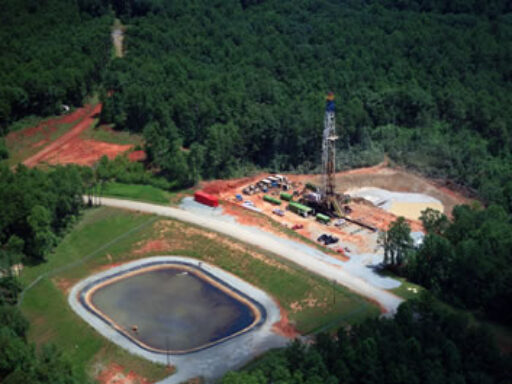
Community Science Institute is responding to the risks to water in several ways. First, we have developed a baseline testing program for homeowners as a form of insurance against the possibility that their well, pond or stream might be contaminated by waste from a nearby shale gas operation. Baseline testing does not protect against contamination; however, it can provide a basis for holding gas companies accountable to New York State regulatory agencies and in the courts.
Second, CSI has launched the Regional Baseline Initiative. The goal is to create a baseline of groundwater quality for the Southern Tier region, where “hydrofracking” is most likely to begin first in New York, by pooling the results of baseline tests for private drinking water wells. The pooled results of private well tests are presented in our online database using anonymous formats that safeguard homeowners’ privacy. We need our clients’ permission to add their data to the online pool, and many have responded positively to our request. Visit our Groundwater Database of baseline water quality data.
Finally, CSI has begun recruiting and training groups of volunteers to partner with our certified lab to monitor streams and lakes in the Southern Tier as part of the Red Flag stream monitoring program. Our Southern Tier monitoring initiative builds on our experience in the Cayuga Lake watershed, where we have partnered with seven volunteer groups to monitor water quality since 2003. The Red Flag stream monitoring program now has five active volunteer groups in the Southern Tier region of New York monitoring nearly 100 locations for baseline water quality. Results from the Red Flag program and all of CSI’s volunteer partnerships can be viewed and downloaded from our interactive online database.
For more detailed information:
Recent Posts
-
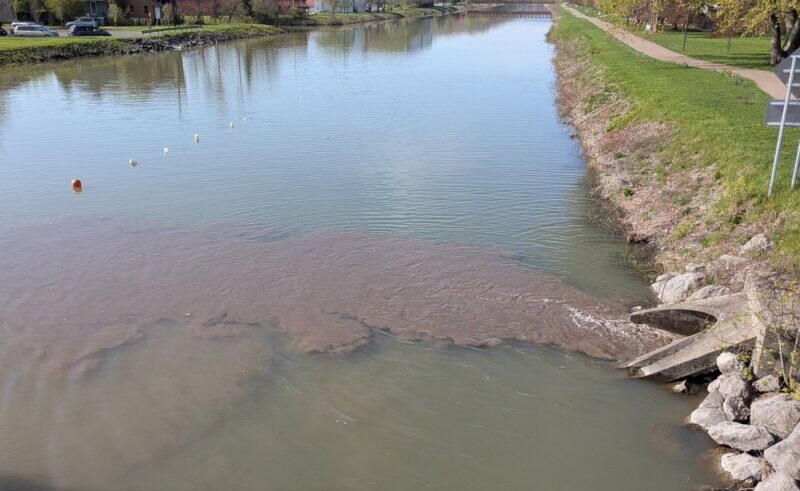
From Community Report to Regulatory Action: How One Cayuga Inlet Observation Triggered a Rapid Scientific Response
CSI’s Outreach & Programs Coordinator, Alyssa Johnson, collects a sample from Cliff
 6 May, 2026
 -