



Public and Volunteer Events and Closings
april, 2024
Type of Event:
All
All
Annual Volunteer Symposium
Biomonitoring Open Lab Night
CSI lab Holidays and Closings
Ithaca Water Kid 4H2O Program
Presentation
Synoptic Stream Monitoring Event
Training
Water and Community Event
- Event Name
mon
tue
wed
thu
fri
sat
sun
1
2
3
4
5
6
7
8
9
10
11
12
13
14
15
16
17
18
19
20
21
22
23
24
25
26
27
28
29
30
03apr6:00 pm9:00 pmBiomonitoring Open Lab Nights
Event Details
Biomonitoring Open Lab Nights! When: Wednesdays, 6-9 PM Where: At CSI Lab in the Langmuir Lab building, 95 Brown Rd, Ithaca, NY E-mail Adrianna (adrianna@communityscience.org) if you'd
Event Details
Biomonitoring Open Lab Nights!
When: Wednesdays, 6-9 PM
Where: At CSI Lab in the Langmuir Lab building, 95 Brown Rd, Ithaca, NY
E-mail Adrianna (adrianna@communityscience.org) if you’d like to participate.
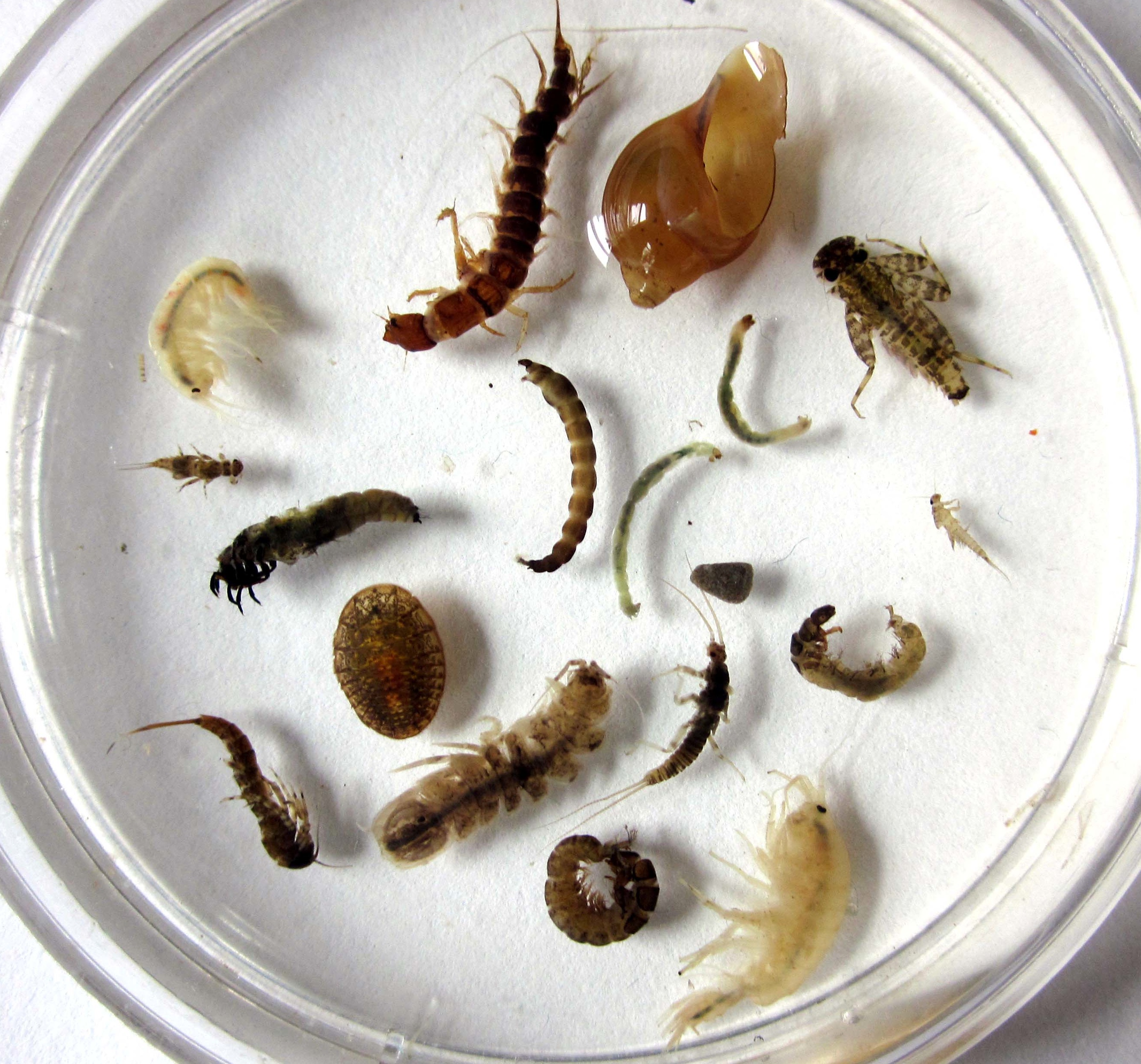
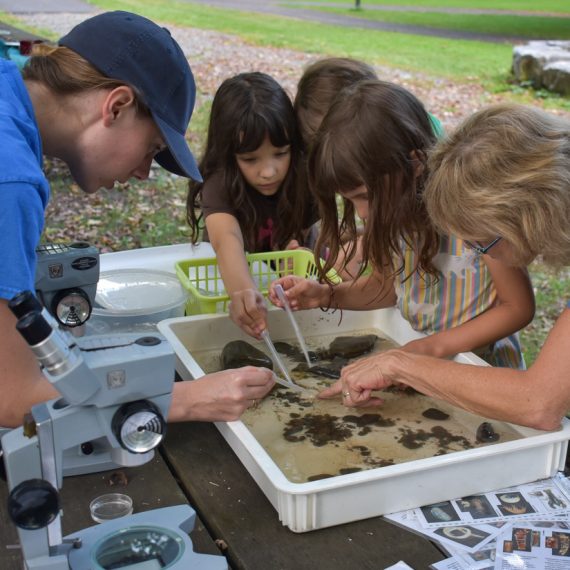
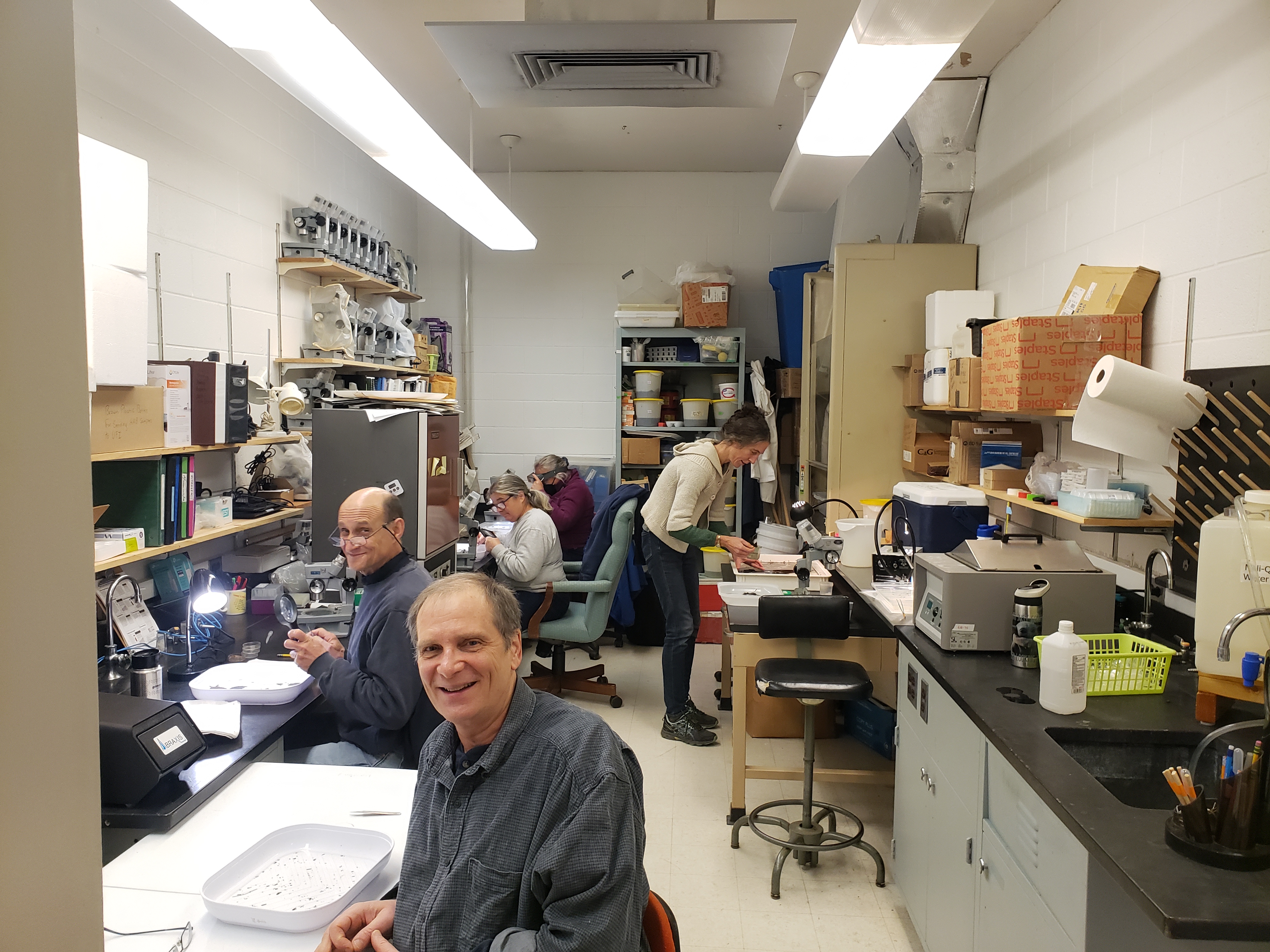
Biomonitoring Open Lab Nights are a chance for volunteers to participate in benthic macroinvertebrate sample sorting and analysis of stream samples collected over the summer! No prior experience is required and there are things to do at any level of expertise. Volunteers separate organisms from gravel and other stream substrate material and then sort and identify them to family level. These organism counts help us evaluate water quality in streams based on what lives there. Anyone wanting to participate should reach out to Adrianna in advance (adrianna@
Time
(Wednesday) 6:00 pm - 9:00 pm
Location
Community Science Institute
95 Brown Rd. Langmuir Lab Rm. 283
Organizer
Community Science Instituteinfo@communityscience.org
10apr6:00 pm9:00 pmBiomonitoring Open Lab Nights
Event Details
Biomonitoring Open Lab Nights! When: Wednesdays, 6-9 PM Where: At CSI Lab in the Langmuir Lab building, 95 Brown Rd, Ithaca, NY E-mail Adrianna (adrianna@communityscience.org) if you'd
Event Details
Biomonitoring Open Lab Nights!
When: Wednesdays, 6-9 PM
Where: At CSI Lab in the Langmuir Lab building, 95 Brown Rd, Ithaca, NY
E-mail Adrianna (adrianna@communityscience.org) if you’d like to participate.
Biomonitoring Open Lab Nights are a chance for volunteers to participate in benthic macroinvertebrate sample sorting and analysis of stream samples collected over the summer! No prior experience is required and there are things to do at any level of expertise. Volunteers separate organisms from gravel and other stream substrate material and then sort and identify them to family level. These organism counts help us evaluate water quality in streams based on what lives there. Anyone wanting to participate should reach out to Adrianna in advance (adrianna@
Time
(Wednesday) 6:00 pm - 9:00 pm
Location
Community Science Institute
95 Brown Rd. Langmuir Lab Rm. 283
Organizer
Community Science Instituteinfo@communityscience.org
17apr6:00 pm9:00 pmBiomonitoring Open Lab Nights
Event Details
Biomonitoring Open Lab Nights! When: Wednesdays, 6-9 PM Where: At CSI Lab in the Langmuir Lab building, 95 Brown Rd, Ithaca, NY E-mail Adrianna (adrianna@communityscience.org) if you'd
Event Details
Biomonitoring Open Lab Nights!
When: Wednesdays, 6-9 PM
Where: At CSI Lab in the Langmuir Lab building, 95 Brown Rd, Ithaca, NY
E-mail Adrianna (adrianna@communityscience.org) if you’d like to participate.
Biomonitoring Open Lab Nights are a chance for volunteers to participate in benthic macroinvertebrate sample sorting and analysis of stream samples collected over the summer! No prior experience is required and there are things to do at any level of expertise. Volunteers separate organisms from gravel and other stream substrate material and then sort and identify them to family level. These organism counts help us evaluate water quality in streams based on what lives there. Anyone wanting to participate should reach out to Adrianna in advance (adrianna@
Time
(Wednesday) 6:00 pm - 9:00 pm
Location
Community Science Institute
95 Brown Rd. Langmuir Lab Rm. 283
Organizer
Community Science Instituteinfo@communityscience.org
24apr6:00 pm9:00 pmBiomonitoring Open Lab Nights
Event Details
Biomonitoring Open Lab Nights! When: Wednesdays, 6-9 PM Where: At CSI Lab in the Langmuir Lab building, 95 Brown Rd, Ithaca, NY E-mail Adrianna (adrianna@communityscience.org) if you'd
Event Details
Biomonitoring Open Lab Nights!
When: Wednesdays, 6-9 PM
Where: At CSI Lab in the Langmuir Lab building, 95 Brown Rd, Ithaca, NY
E-mail Adrianna (adrianna@communityscience.org) if you’d like to participate.
Biomonitoring Open Lab Nights are a chance for volunteers to participate in benthic macroinvertebrate sample sorting and analysis of stream samples collected over the summer! No prior experience is required and there are things to do at any level of expertise. Volunteers separate organisms from gravel and other stream substrate material and then sort and identify them to family level. These organism counts help us evaluate water quality in streams based on what lives there. Anyone wanting to participate should reach out to Adrianna in advance (adrianna@
Time
(Wednesday) 6:00 pm - 9:00 pm
Location
Community Science Institute
95 Brown Rd. Langmuir Lab Rm. 283
Organizer
Community Science Instituteinfo@communityscience.org